Strong communities build stronger futures.
Community development begins with people having the opportunity to participate, build capability, solve local challenges and shape the future of their communities.
Development works best when communities have a voice in it.
Communities understand their own challenges, strengths, aspirations and opportunities. Initiative Against Poverty in Zimbabwe (IAPZ) believes that community development creates space for people to participate in identifying priorities, building solutions, developing local capabilities and contributing to collective progress.
Sustainable social change is rooted in local leadership, social inclusion, and active community ownership across every neighborhood and rural ward.
People are at the centre of development.
Select each group below to explore their unique role in community participation and collective capability.
"Households are an important part of how communities experience challenges and opportunities, anchoring economic resilience and mutual social support across generations."
"Youth participation brings energy, creative ideas, digital readiness and future leadership into community development and local problem-solving initiatives."
"Women's participation strengthens social inclusion, improves household food security, and broadens the range of voices shaping community priorities and local governance."
"Local leadership can help communities organise, communicate transparently, resolve disputes and coordinate collective action for sustainable neighborhood growth."
"Community organisations can connect people, traditional knowledge, institutional resources and grassroots initiatives to tackle shared socio-economic hurdles."
"Local enterprise can contribute to economic participation, skills transfer, job creation and long-term community resilience throughout Zimbabwe."
"Local food production connects agricultural livelihoods, environmental stewardship, household food security and community wellbeing across rural and urban wards."
"Voluntary participation contributes dedicated time, specialized skills and practical grassroots support to community-led projects and developmental programs."
Development is a process, not a single event.
Select any stage below to inspect how IAPZ facilitates collaborative community growth in Zimbabwe.
Understand community priorities.
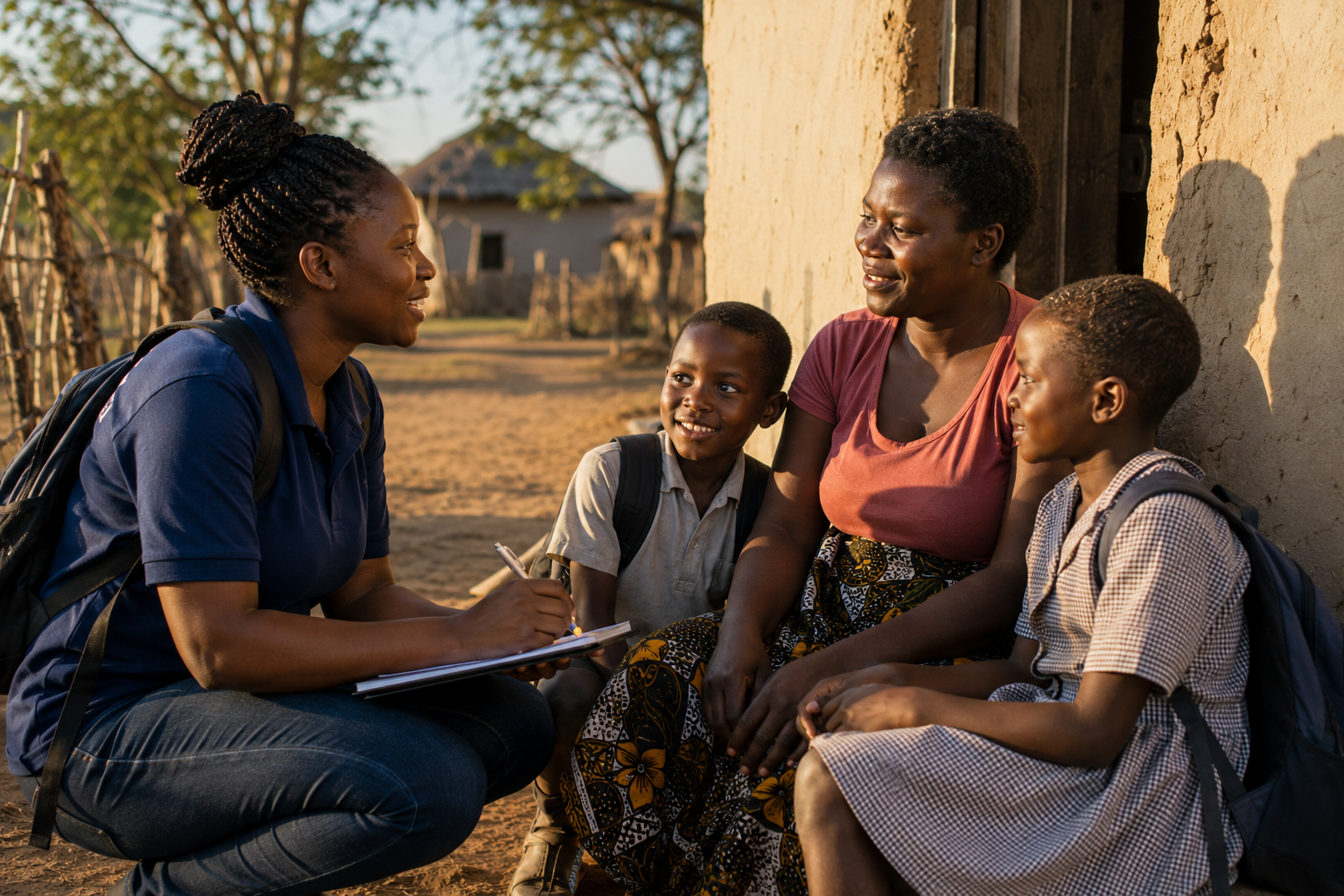
Effective community development begins with active listening. By engaging directly with residents, elders, women's groups, and youth leaders across Zimbabwean communities, IAPZ ensures that local voices dictate the starting point of every developmental endeavor.
Recognise challenges and opportunities.
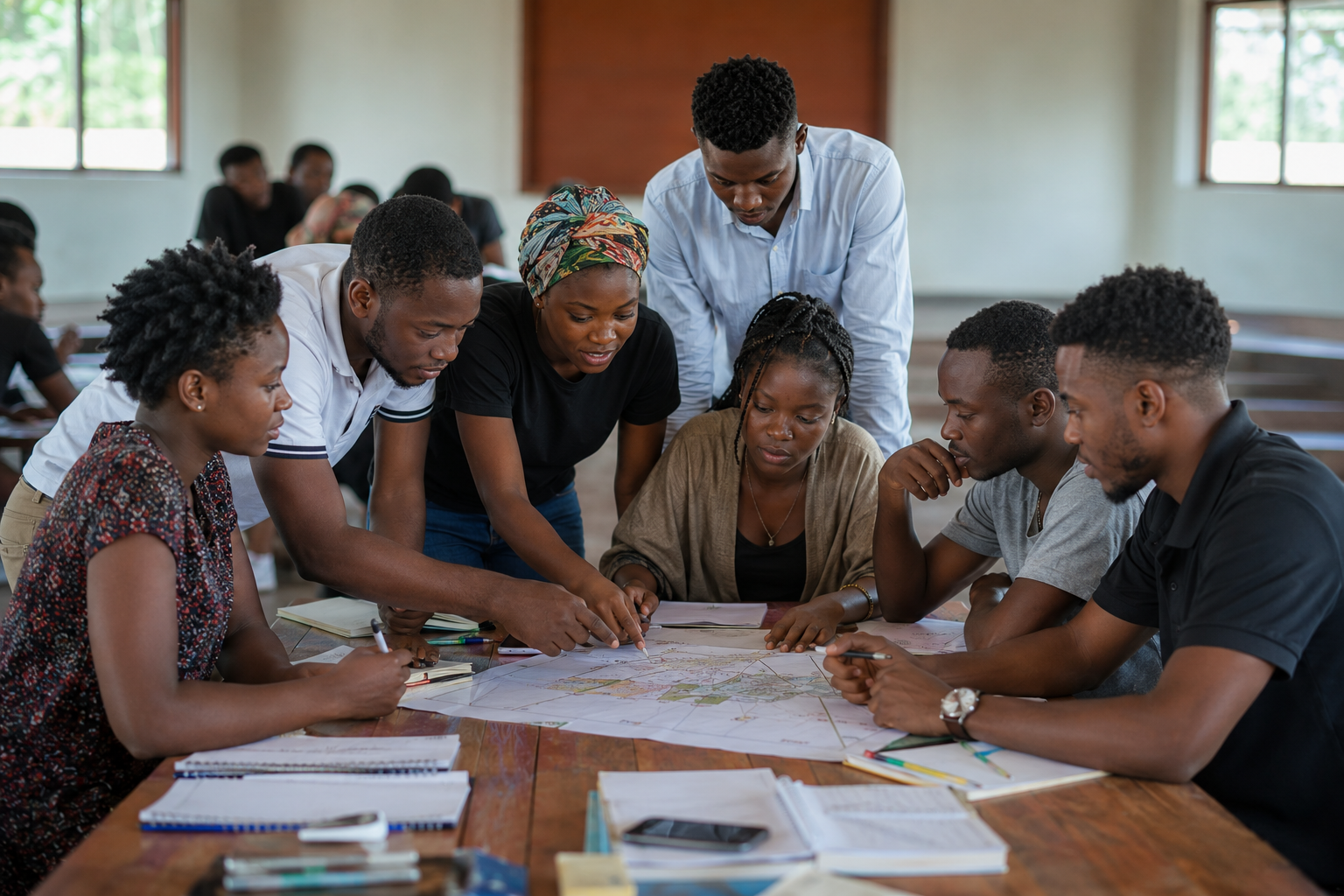
Communities analyze their unique socio-economic landscape together, mapping existing assets, skills, environmental conditions, and resource gaps rather than focusing solely on deficiencies.
Develop practical responses.
Collaborative planning transforms insights into actionable strategies. Stakeholders design context-specific interventions spanning food security, skills training, enterprise, and social support.
Bring people into the process.
Inclusivity ensures broad-based participation. Women, youth, marginalized families, and local entrepreneurs are deliberately integrated into decision-making and project execution.
Turn plans into action.
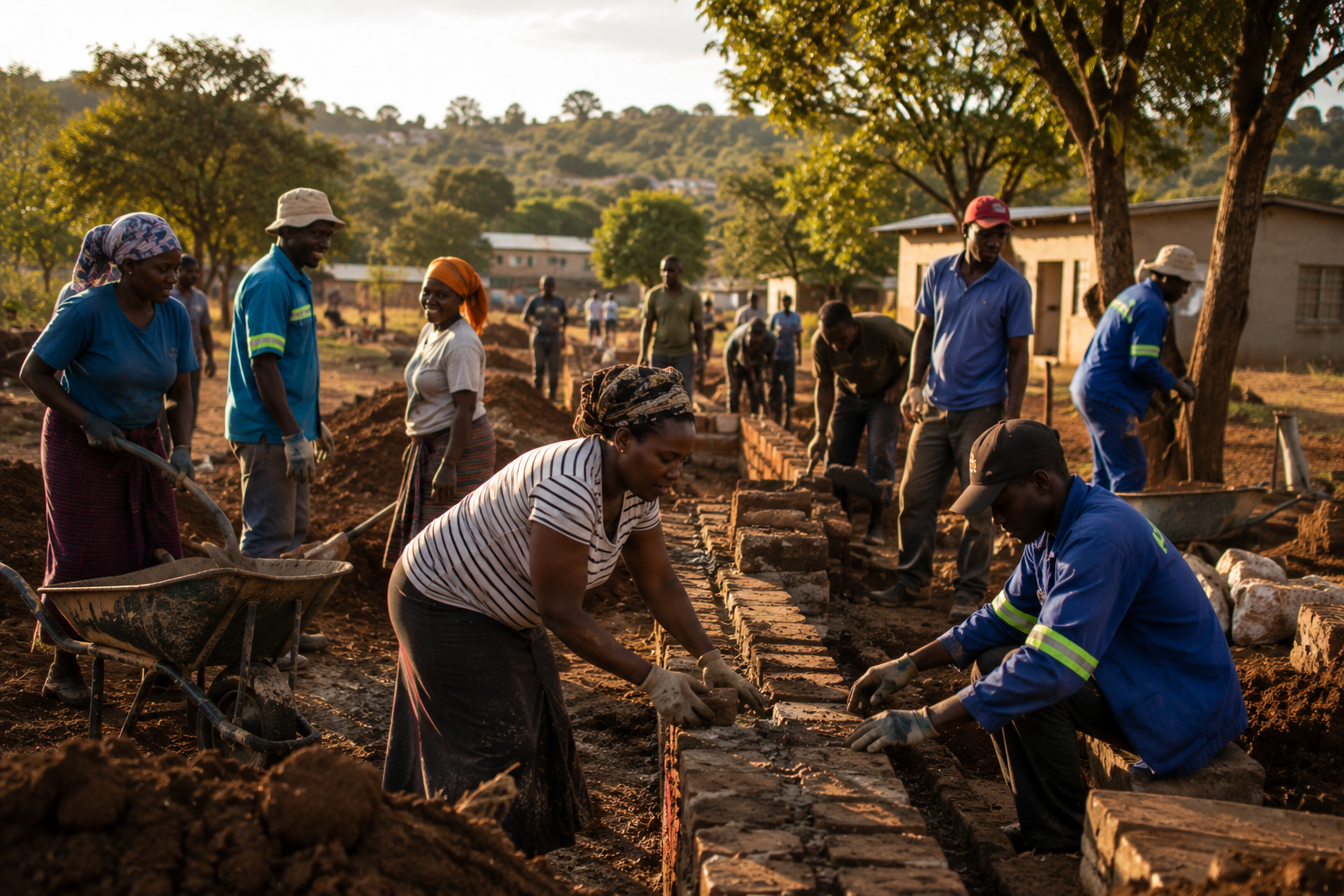
Communities mobilize local resources, technical knowledge, and volunteer energy to execute initiatives, establishing robust local governance and transparent coordination structures.
Reflect, adapt and improve.
Continuous monitoring and community review sessions allow participants to evaluate progress, address emerging challenges, and refine methodologies in real time.
Strengthen local ownership and capability.
Long-term success relies on complete community ownership. Capacities built during the journey ensure initiatives endure and evolve independently long after initial program support concludes.
Support should strengthen capability, not replace it.
Effective community support can provide knowledge, resources, technical assistance, coordination and encouragement while creating space for people to participate in shaping solutions.
LISTEN
Understand before acting.
SUPPORT
Provide useful resources and knowledge.
ENABLE
Create opportunities for participation.
STRENGTHEN
Build local capability and ownership.
From community needs to community action.
Community-led development places people closer to the centre of decisions about issues that affect their daily lives.
Volunteering is participation in action.
Volunteers can contribute time, skills, experience, energy and practical support to community initiatives. Select any area below to explore:
Building the ability to solve problems locally.
Six interconnected capability areas that empower Zimbabwean communities to drive sustainable development.
LEADERSHIP
Developing people who can organise, communicate transparently and coordinate collective action.
KNOWLEDGE
Sharing vital information, technical guides, and practical understanding across local groups.
SKILLS
Building useful vocational, entrepreneurial, and organisational capabilities for daily self-reliance.
ORGANISATION
Strengthening local structures, committees, and collaborative networks for long-term stability.
RESOURCES
Connecting communities with appropriate materials, tools, and technical assistance.
DECISION-MAKING
Creating inclusive space for informed, democratic local choices that reflect community priorities.
A community is strongest when more people can participate.
Select a community group below to view how inclusion, voice, and opportunity intersect:
WOMEN
Ensuring women's perspectives guide local meetings and planning committees.
Active involvement in agricultural co-ops, enterprise ventures, and leadership roles.
Expanded access to skills training, financial literacy, and economic initiatives.
When women participate, communities gain another source of knowledge, leadership and possibility.
Community development benefits from creating meaningful space for women to contribute to decisions, livelihoods, education, enterprise and community initiatives.
Young people are contributors to community life.
Youth participation can bring ideas, creativity, energy and new perspectives to community development.
VOICE
Providing platforms for youth to express aspirations, debate local priorities, and contribute fresh viewpoints to community dialogues and planning sessions.
IDEAS
Harnessing youth innovation, digital literacy, and creative problem-solving to address contemporary community challenges.
ACTION
Engaging young volunteers and young entrepreneurs in hands-on community projects, sports programs, and environmental campaigns.
LEADERSHIP
Mentoring the next generation of community leaders to ensure long-term institutional continuity and vibrant local governance.
The interconnected pillars of community wellbeing.
Click any ecosystem domain below to examine its direct connection to resilient communities:
EDUCATION
Knowledge and skills can strengthen people's ability to participate and pursue opportunities.
Resilience grows when people have the ability to adapt together.
Communities face changing social, economic and environmental conditions. Resilience can be strengthened when people have knowledge, relationships, capabilities, resources and opportunities to respond.
Resources can become more meaningful when communities shape how they are used.
Community development can involve connecting people, knowledge, skills, institutions, resources and opportunities around locally relevant priorities.
Local challenges can inspire local solutions.
Explore development pathways transforming local hurdles into sustainable community capabilities:
FOOD
YOUTH
LIVELIHOODS
ENVIRONMENT
Community development and enterprise can reinforce each other.
Local enterprise can provide one pathway through which communities transform skills, resources and ideas into products, services and economic activity.
Knowledge travels through communities.
Learning does not happen only in formal institutions. People learn from one another, through experience, through work and through participation in community life.
Food security is also a community question.
Food security can involve production, access, affordability, nutrition, markets, skills and resilient local systems across Zimbabwean wards.
Listen locally.
Think collectively.
Act practically.
LISTEN
Community voices.
THINK
Shared understanding.
ACT
Collective action.