
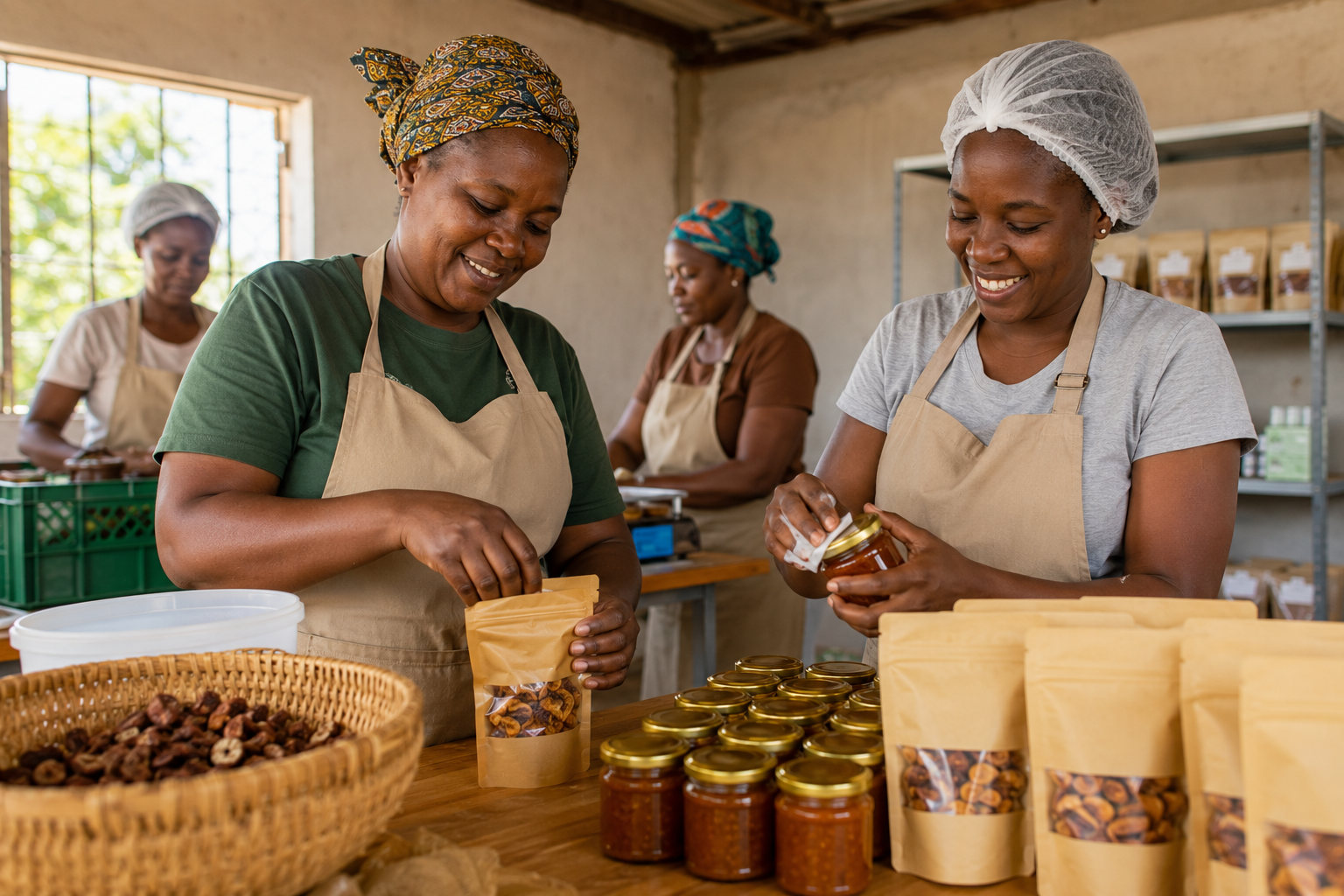
Building livelihoods.
Creating possibility.
Helping people and communities develop the skills, enterprise and opportunities needed to strengthen livelihoods and build resilience.
A livelihood is more than a job.
A strong livelihood can bring together knowledge, skills, productive activity, enterprise and opportunity.
For individuals and communities, these connections can help strengthen economic participation, household resilience and the ability to shape a more secure future through community-led development and social entrepreneurship in Zimbabwe.
A livelihood grows through stages.
Recognising opportunities and community needs.
Every sustainable livelihood begins by understanding local contexts, identifying viable opportunities, and recognising the potential within community resources and local markets.
Developing knowledge and practical skills.
Acquiring technical training, vocational capability, and essential business knowledge needed to engage productively in economic activities.
Turning skills into capability.
Applying newly acquired knowledge through practice, project development support, and technical assistance provided by IAPZ.
Developing products, services or enterprises.
Establishing microenterprises, launching start-up projects, or creating valuable goods and services that address local and regional market demands.
Connecting people, markets and opportunities.
Linking local producers, artisans, and entrepreneurs with broader networks, customers, and supportive economic ecosystems.
Strengthening resilience and long-term potential.
Consolidating enterprise gains, building financial capability, and fostering household resilience against economic shocks and environmental changes.
Skills become powerful when they can be put into practice.
Training and knowledge can become more meaningful when people have structured opportunities to apply what they learn in real-world conditions.
Develop foundational knowledge, technical capabilities, and practical insights through structured training and community education programmes.
Build confidence and refined execution through hands-on practice, mentorship, and project development support.
Apply acquired skills directly to real economic opportunities, launching micro-ventures or adding value to local supply chains.
Strengthen capability, expand productive output, and enhance economic resilience over time through continuous learning.
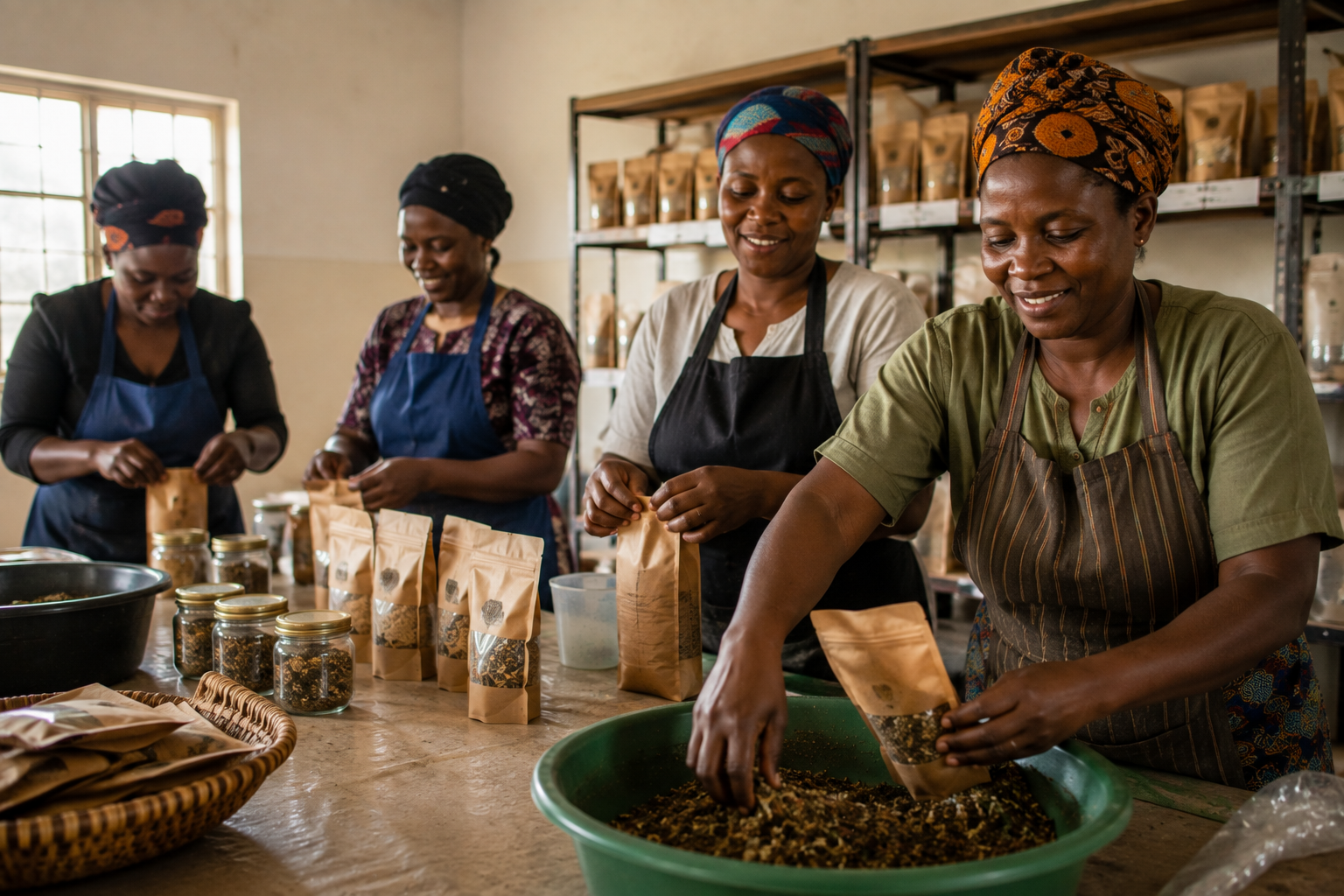
The Enterprise Ecosystem
Successful enterprise relies on an interconnected web of ideas, resources, markets, and community support.
IDEA
"Enterprise begins with identifying a need, opportunity or problem worth solving within the local community."
SKILLS
"Knowledge and practical capability provide the foundation for turning ideas into actionable economic ventures."
CAPITAL
"Access to appropriate financial and productive resources can influence the ability to start or expand an enterprise sustainably."
PRODUCT
"Products and services create genuine value when they respond directly to real everyday needs."
MARKET
"Understanding local and regional markets helps enterprises connect what they offer with people who need it."
CUSTOMER
"Enterprise ultimately depends on creating sustained value, trust, and satisfaction for people and communities."
MANAGEMENT
"Planning, record keeping and informed decision-making are important parts of running a sustainable enterprise."
COMMUNITY
"Enterprise can contribute meaningfully to wider local economic activity and community-led development."
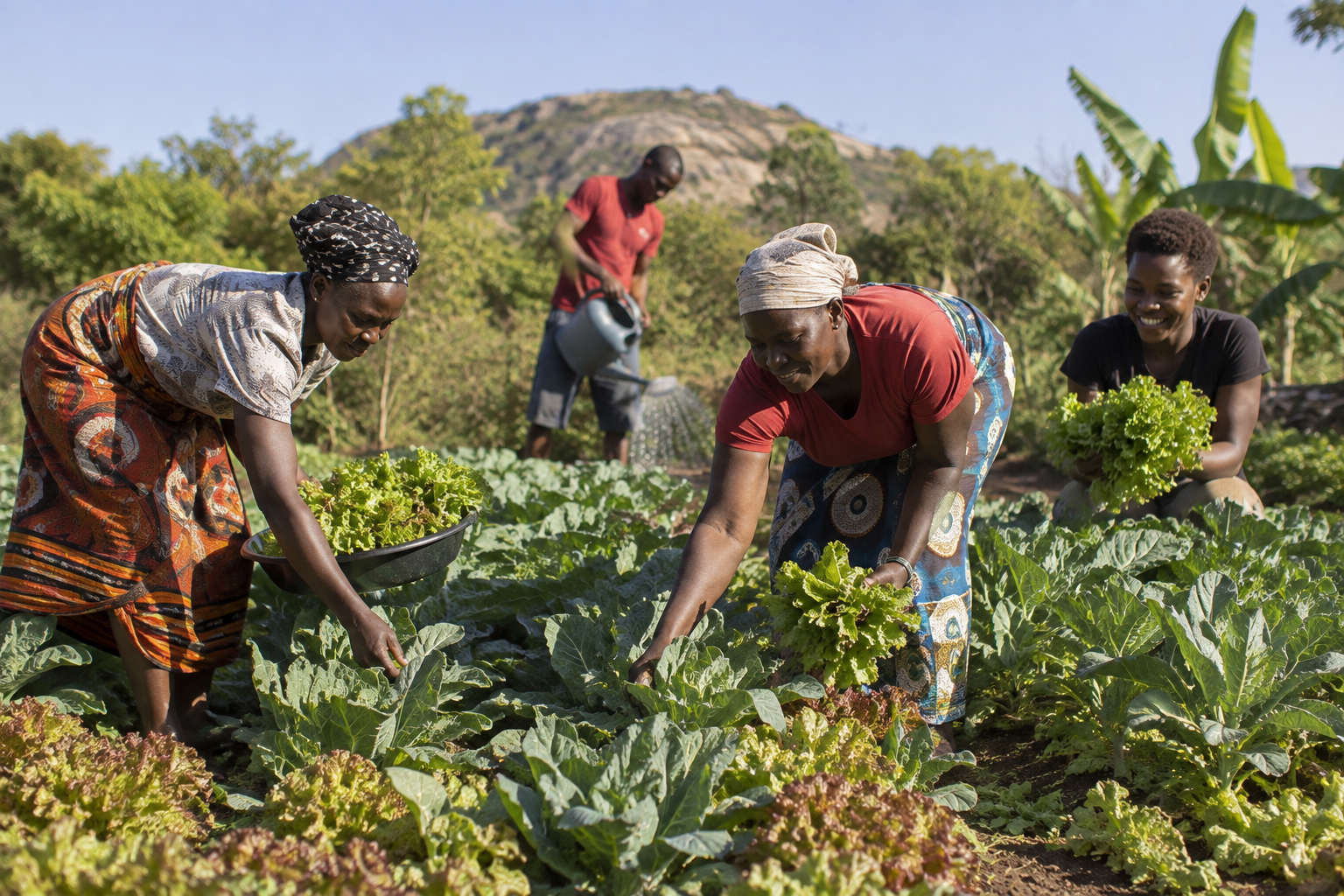
Food can be both a necessity and an economic opportunity.
Agriculture and community-led food systems can connect production with skills, enterprise and local economic activity.
PRODUCE
Cultivating crops or livestock sustainably.
PROCESS
Preparing and grading yields for quality.
ADD VALUE
Transforming raw goods into higher-value products.
MARKET
Connecting supply with local consumers and traders.
INCOME OPPORTUNITY
Generating sustainable household revenue.
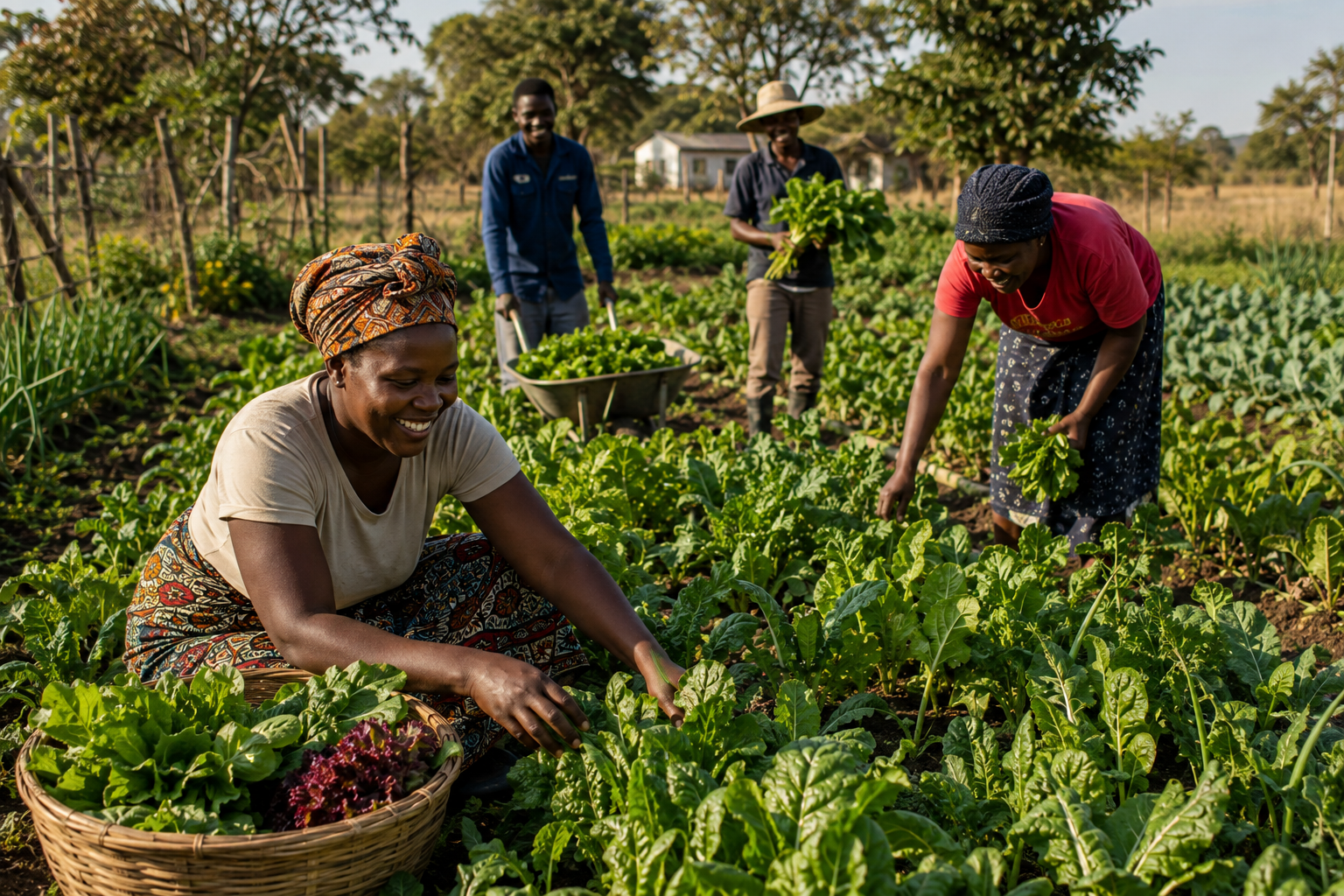
Small enterprises can carry big ambitions.
Micro and small enterprises can provide pathways for people to participate in economic activity, develop experience and respond to local needs.
Enterprise requires more than an idea.
PLANNING
Understanding goals, operational costs, and available resources before launching activities.
RECORD KEEPING
Knowing what comes in and what goes out to maintain financial clarity and operational confidence.
DECISION MAKING
Using accurate information to make informed, practical choices for enterprise sustainability.
RESPONSIBLE GROWTH
Building carefully, managing risk, and expanding enterprise activities sustainably over time.
Livelihoods do not exist in isolation.
People, businesses, markets and community organisations interact with one another. When local capabilities strengthen, the wider community can have more opportunities to participate in economic life.
Young people need pathways, not just promises.
Skills development, entrepreneurship and practical experience can help young people explore ways to participate actively in economic and community life.
IDEAS
Young people bring fresh ideas, creativity, and innovative perspectives to local challenges.
SKILLS
Practical training turns creative ideas into structured, actionable enterprise steps.
EXPERIENCE
Guided practice and project involvement build confidence and operational familiarity.
OPPORTUNITY
Creating supportive environments where young people can apply capability and contribute locally.
Economic participation strengthens possibility.
Creating opportunities for women to develop skills, participate in enterprise and contribute to community economies can be an important part of inclusive development.
Value can be created close to home.
Local enterprise can connect community knowledge and resources with products, services and markets.
LOCAL RESOURCE
Drawing on available materials and community assets.
LOCAL SKILL
Applying craft, training, and technical know-how.
LOCAL PRODUCT
Crafting goods and services that meet everyday needs.
LOCAL MARKET
Trading within community spaces and regional networks.
LOCAL VALUE
Retaining economic benefits within the community.
Think like an entrepreneur.
Explore the conceptual steps of social enterprise development through this interactive guide.
IDENTIFY A PROBLEM
Every effective enterprise starts by observing everyday challenges or unmet needs within the community that require a practical, sustainable response.
UNDERSTAND THE PEOPLE
Engage directly with community members and potential customers to understand their priorities, constraints, and preferences.
DESIGN A SOLUTION
Develop a product, service or micro-enterprise concept that directly addresses the identified need using available skills and local resources.
TEST THE IDEA
Pilot the concept on a small scale, gather feedback, refine operations, and adjust to practical realities before expanding.
CREATE VALUE
Deliver consistent quality and utility, building lasting trust and contributing positively to the local community economy.
A livelihood must also consider the environment that sustains it.
IAPZ places emphasis on environmental protection because communities can depend directly on natural resources for daily livelihoods.
RESPONSIBLE USE
Using natural resources thoughtfully and efficiently to prevent depletion.
RESILIENCE
Preparing communities for changing environmental conditions and climate shocks.
SUSTAINABILITY
Thinking beyond immediate needs to protect resources for future generations.
When capability grows, possibility expands.
Livelihood development is part of a wider process in which individuals, households and communities can build their ability to participate, adapt and shape their own development.
SKILLS
CAPABILITY
ENTERPRISE
ECONOMIC PARTICIPATION
HOUSEHOLD RESILIENCE
COMMUNITY DEVELOPMENT
Livelihoods are part of the bigger picture.
IAPZ's community development approach connects economic opportunity with education, food security, environmental sustainability, social inclusion and community-led development.
A livelihood begins with a possibility.
The journey from poverty toward resilience is rarely a single step. It is built through capability, opportunity, participation and persistence.
Business can be a force for social change.
IAPZ uses social entrepreneurship as part of its approach to poverty reduction and community development. The organisation's published material describes social entrepreneurship as combining entrepreneurial thinking with the goal of addressing social challenges and creating positive societal change.
SOCIAL PURPOSE
Enterprise that responds to real community needs and supports self-determination.
ENTREPRENEURIAL THINKING
Identifying opportunities, solving local problems and creating sustainable value.
COMMUNITY VALUE
Connecting enterprise with broader community development and local economic resilience.