Learning opens the door to possibility.
Education and practical skills can help young people build knowledge, confidence and pathways toward opportunity.
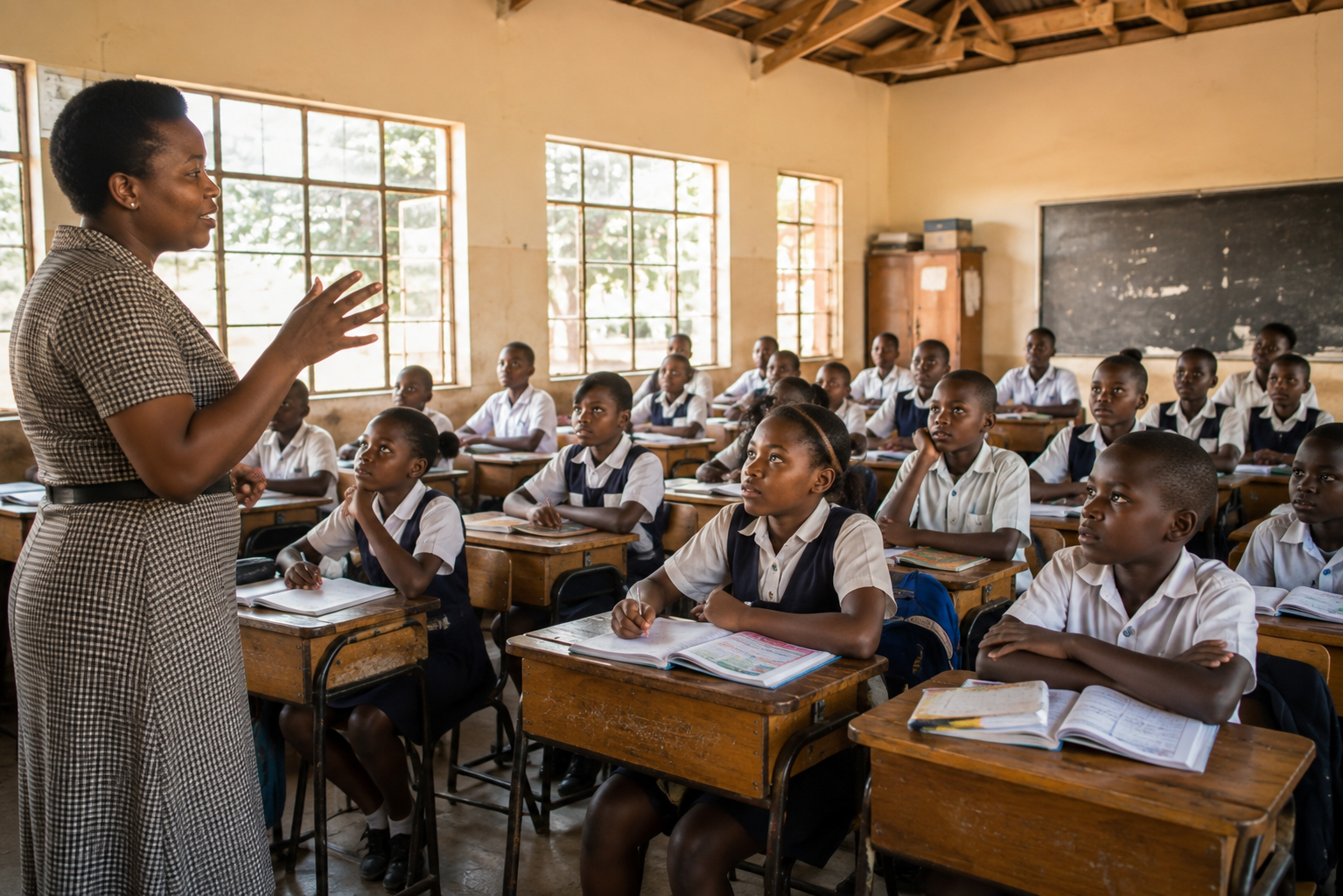
Education is more than what happens in a classroom.
Education can give people knowledge. Skills can give people the ability to apply that knowledge. Confidence can give people the courage to use what they know.
Together, these can create new possibilities for young people, families and communities across Zimbabwe.
Potential needs opportunity.
IAPZ's work is rooted in the belief that young people should have opportunities to develop their potential. Education and skills development are therefore considered not simply as academic outcomes, but as foundations for participation, confidence, livelihoods and a stronger future.
KNOWLEDGE
Understanding the world and developing the ability to learn continuously through structured and experiential pathways.
CAPABILITY
Turning theoretical knowledge into practical skills that address real-world challenges and community needs.
OPPORTUNITY
Using knowledge and skills to participate fully, create sustainable livelihoods, and progress with confidence.
Learning is a journey.
Explore the progressive stages through which education and skills development create lasting impact.
01 — ACCESS
Creating opportunities to reach learning and knowledge. Ensuring that young people across diverse communities have pathways to educational resources, mentorship, and foundational learning environments.
02 — LEARN
Building understanding and foundational knowledge. Equipping learners with core academic concepts, critical thinking skills, and an inquisitive mindset essential for personal and societal growth.
03 — PRACTISE
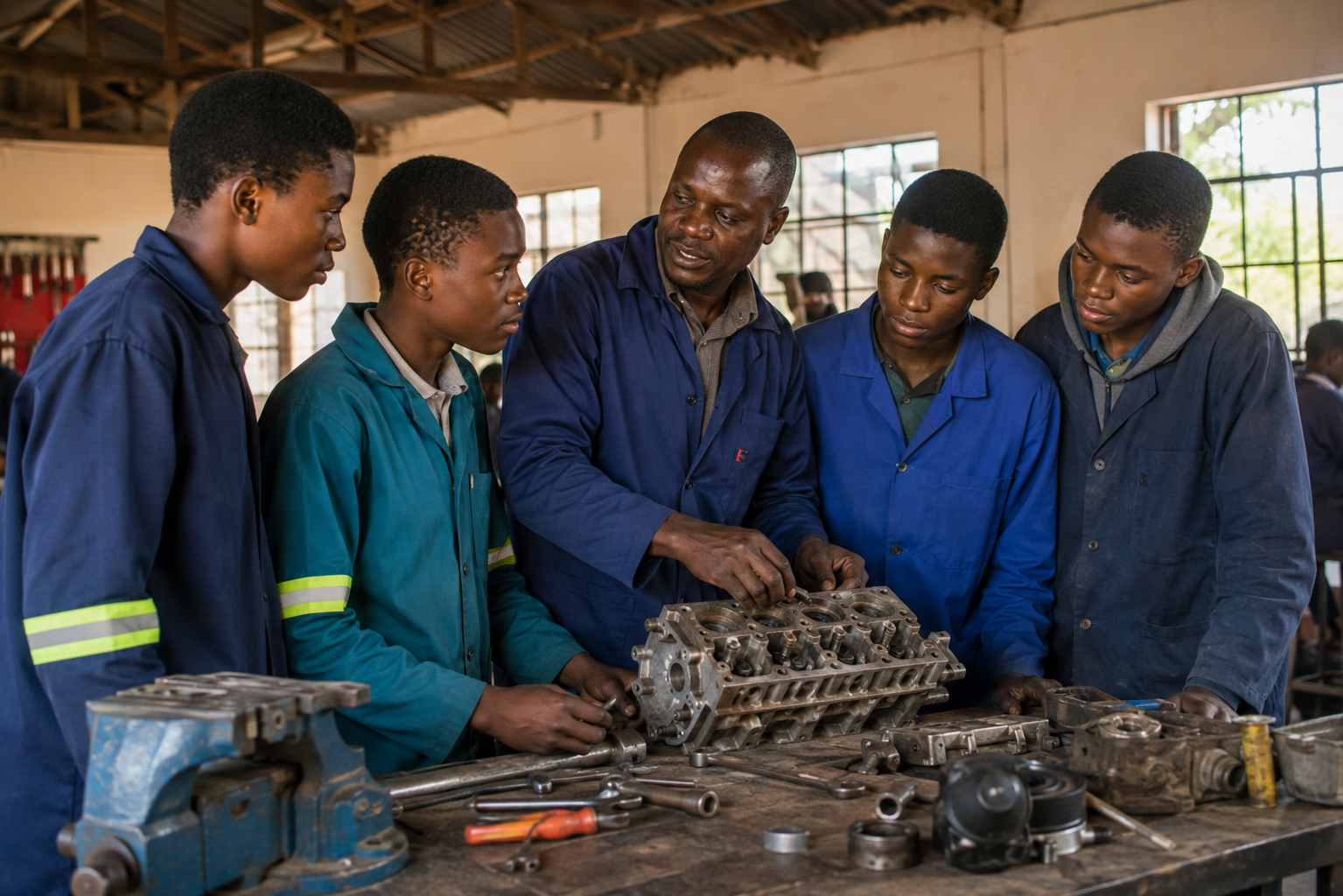
Turning knowledge into practical experience. Engaging learners in hands-on activities, workshops, and real-world simulations that solidify comprehension through active participation.
04 — DEVELOP
Strengthening skills and confidence. Fostering self-belief, communication abilities, and specialized competencies that empower young individuals to trust their capability to solve problems.
05 — APPLY
Using skills in real-world situations. Translating acquired competencies into everyday problem-solving, community projects, workplace tasks, and entrepreneurial initiatives.
06 — PROGRESS
Opening pathways toward future opportunity. Enabling sustainable livelihoods, active citizenship, leadership roles, and lifelong learning journeys for youth and communities.
Knowledge becomes powerful when people can use it.
Education creates understanding. Skills create the ability to apply that understanding. IAPZ's education and skills perspective therefore looks beyond information alone and considers how learning can contribute to confidence, practical capability and opportunity.
LEARN
Absorb concepts and gain insight.
BUILD
Develop practical competencies.
APPLY
Create real-world solutions.
The Skills Ecosystem
A diverse set of competencies forms the core of our educational approach, supporting holistic youth development.
DIGITAL
Using digital tools responsibly.
VOCATIONAL
Practical work & enterprise skills.
ENTREPRENEURIAL
Identifying opportunities & value.
COMMUNICATION
Expressing ideas & working together.
PROBLEM-SOLVING
Practical approaches to challenges.
CREATIVE
Imagination & innovation.
LEADERSHIP
Confidence to organise & influence.
LIFE SKILLS
Everyday decision-making capabilities.
DIGITAL LITERACY
Understanding and using digital tools responsibly and effectively to access information, connect with global knowledge, and participate in modern economies.
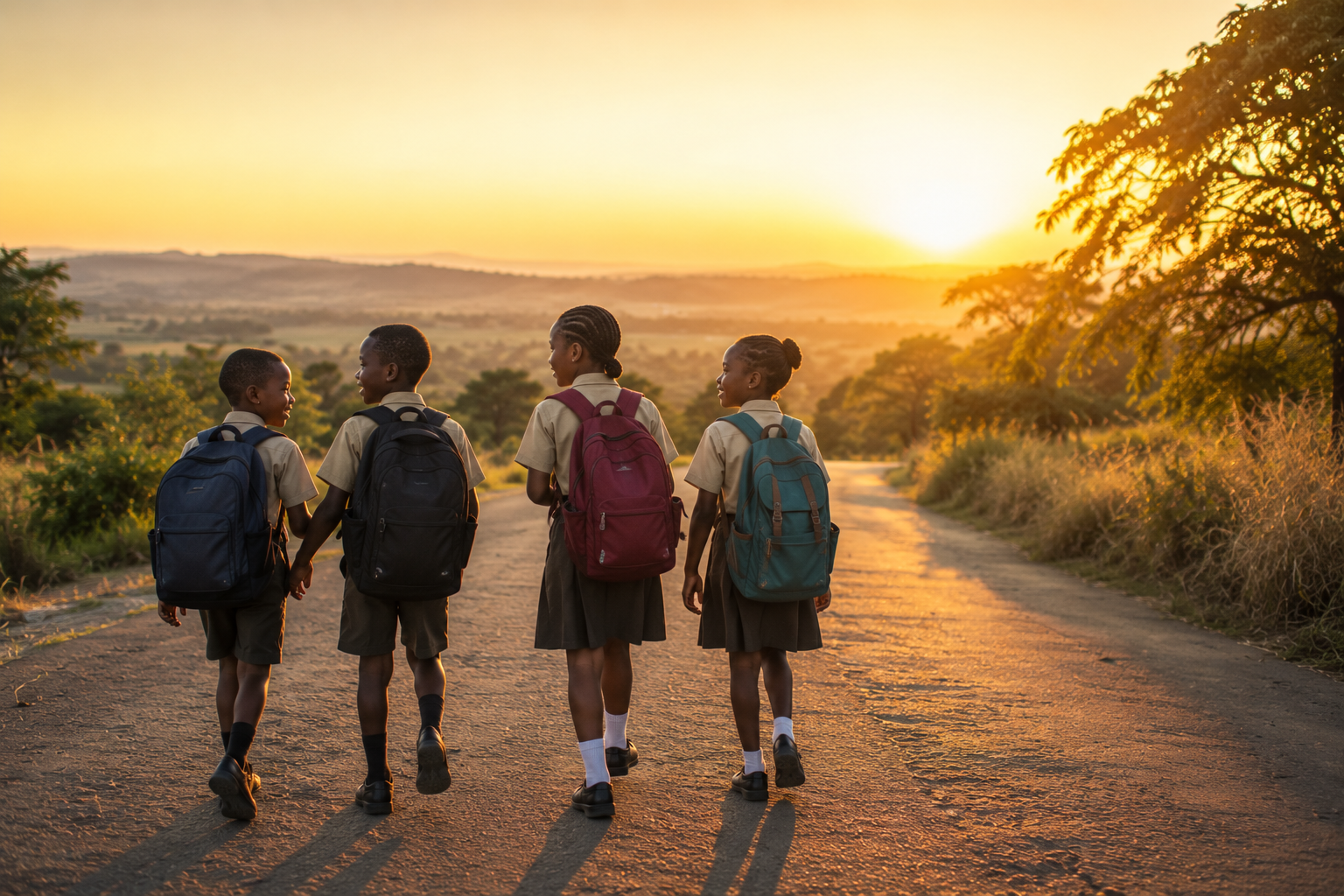
Learning does not stop at the classroom door.
Learning can happen through experience, practice, mentoring, technology, community participation, enterprise and everyday problem-solving.
Young people are not only the future. They are part of the present.
Creating meaningful opportunities for young people means recognising their ideas, capabilities, aspirations and potential to participate in their communities and society.
CONFIDENCE
Building inner assurance to speak up, share ideas, and take constructive action within the community.
SKILLS
Equipping youth with practical, relevant competencies for livelihoods and personal growth.
VOICE
Ensuring young people have platforms to express perspectives and contribute to local decisions.
OPPORTUNITY
Connecting capability with tangible pathways for participation, enterprise, and advancement.
Every child deserves the opportunity to learn and grow.
A comprehensive approach to education and youth development should recognise the needs, aspirations and potential of both girls and boys, ensuring inclusive support systems.
LEARNING
Building knowledge and understanding.
POTENTIAL
Creating space for young people to discover what they can become.
Skills can connect learning with livelihoods.
Education and skills can contribute to economic opportunity by helping people develop capabilities that can be applied in employment, enterprise, community initiatives and everyday problem-solving.
Preparing for a changing world.
Technology continues to reshape how people learn, communicate, work and participate. Digital literacy can therefore become an important part of preparing young people for an increasingly connected world.
DIGITAL LITERACY
Understanding digital tools and navigating software interfaces effectively.
INFORMATION
Finding, evaluating, and applying digital information critically and accurately.
CREATION
Using technology to create content, communicate ideas, and solve problems.
RESPONSIBILITY
Using digital spaces safely, ethically, and responsibly within communities.
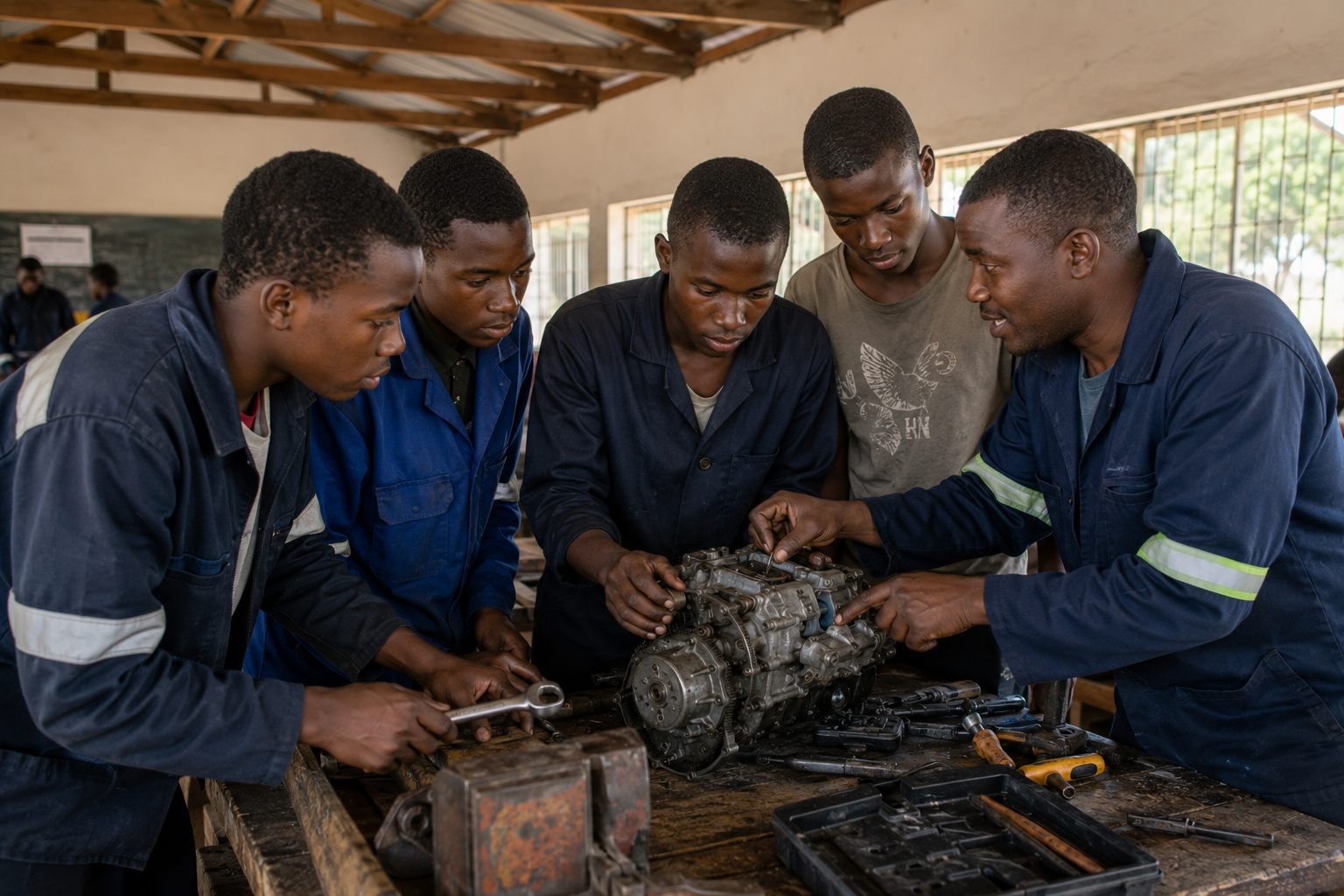
The strongest lessons can be practical.
Practical learning can help people connect concepts with real situations and develop confidence through experience.
LEARN
Acquiring theoretical foundations and core conceptual understanding.
PRACTISE
Gaining hands-on experience through supervised activities and exercises.
MASTER
Building reliable capability that can be applied independently.
When people learn, communities can benefit.
Education can extend beyond individual achievement. Knowledge and skills can contribute to families, workplaces, enterprises and communities by strengthening the ability of people to participate, solve problems and share knowledge.
Every young person deserves possibility.
GIRL CHILD
"Education, confidence, skills and opportunity can help girls navigate barriers and realise their potential."
BOY CHILD
"Education, skills and positive opportunities can help boys build confidence, responsibility and pathways toward their future."
Some skills stay with you.
Core capabilities remain valuable across diverse life stages, workplaces, and community endeavours.
COMMUNICATION
Expressing thoughts clearly and listening actively in any environment.
PROBLEM SOLVING
Approaching complex challenges with structured, creative thinking.
CREATIVITY
Generating innovative ideas and novel approaches to tasks.
DIGITAL LITERACY
Navigating technology and online resources with competence.
TEAMWORK
Collaborating effectively with peers toward shared goals.
LEADERSHIP
Guiding initiatives and inspiring positive change in others.
ENTREPRENEURSHIP
Identifying opportunities and creating sustainable value.
Education for possibility.
Education and skills are not ends in themselves. They are tools that can help people participate more fully in their communities, pursue opportunities and shape their futures.
LEARN.
Gain foundational understanding.
CREATE.
Develop practical solutions.
CONTRIBUTE.
Participate in community life.
LEAD.
Influence positive outcomes.
The future belongs to people who have the opportunity to build it.
For IAPZ, education and skills form part of a broader commitment to creating pathways through which young people and communities can develop knowledge, confidence, capability and opportunity.
Give them a skill.
Give them room to grow.
Education creates possibility when it connects knowledge with practical capability, confidence and opportunity.